📌 Key Highlights & Quick Takeaways:
- At a broad level, these benefits are similar to those that Russia received from the Yemen conflict, which also boosted oil prices and distra.
- In the case of Iran, however, Russia has been active in increasing its presence in the country's war-torn energy markets, offering to supply.
- Shipping links across the Caspian Sea have increased significantly since mid-2026, when the United States blockaded Iran's southern ports an.
At a broad level, these benefits are similar to those that Russia received from the Yemen conflict, which also boosted oil prices and distracted the US.
In the case of Iran, however, Russia has been active in increasing its presence in the country's war-torn energy markets, offering to supply gas to the northern regions, which sometimes face shortages in winter.
Shipping links across the Caspian Sea have increased significantly since mid-2026, when the United States blockaded Iran's southern ports and Russian ports in Azov and the Black Sea ceased operations due to Ukrainian attacks.
The Caspian Sea provides a route for Russia to deliver military components to Iran, while Iran is also increasing its purchases of Russian grain, partially easing the pressure of logistical constraints on Russian grain producers.
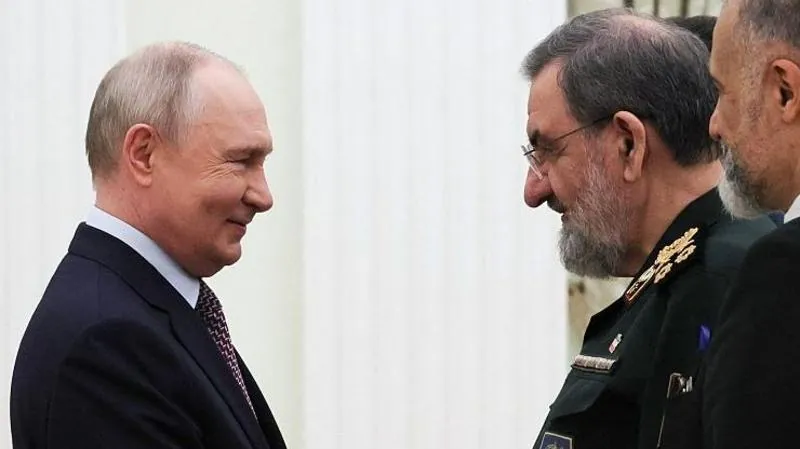
Iran affairs expert Nikita Samagin said in an October 26 article for Istories: "Tehran is forced to seek more aid and expand its ties with Russia." Russian projects in Iran seem dubious in terms of profitability, but here the Kremlin is focused on increasing its political influence in the region.