📌 Key Highlights & Quick Takeaways:
- Ever since I was born, Karachi, Pakistan's largest city by population, has always seemed like a lively and bustling city. There was a certai.
- Unfortunately today, at the age of 65, when I look back at the Karachi of yesteryear and look at the present city, a lot seems to have chang.
- Coincidentally, my childhood and youth were spent in two historic areas of Karachi, Ranchhore Line and Ramswamy. Happily, these areas are st.
Ever since I was born, Karachi, Pakistan's largest city by population, has always seemed like a lively and bustling city. There was a certain order and propriety in his commotion. People belonging to different communities and religions were bound by the spirit of mutual respect and philanthropy. They used to share each other's sorrows and help each other in difficult times.
Unfortunately today, at the age of 65, when I look back at the Karachi of yesteryear and look at the present city, a lot seems to have changed. A sense of uncertainty and chaos has increased everywhere, while tolerance and tolerance among people have not been the same.
Coincidentally, my childhood and youth were spent in two historic areas of Karachi, Ranchhore Line and Ramswamy. Happily, these areas are still known by their old names.
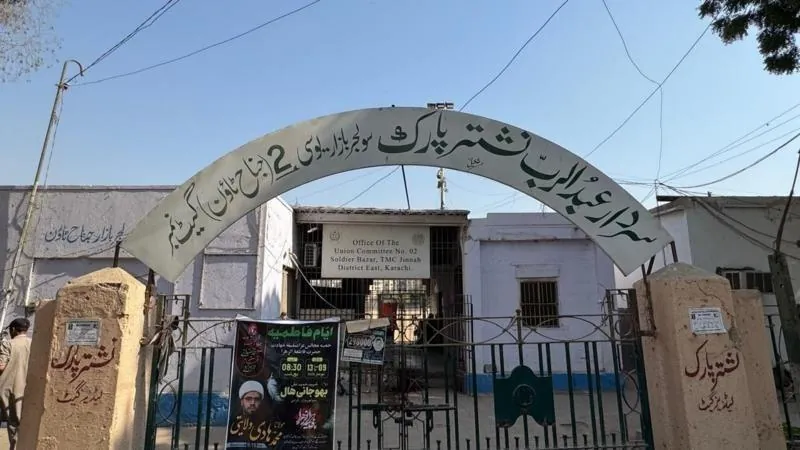
Not only this, the old names of many roads, streets and neighborhoods of the city are still preserved in the memories of senior citizens. Before the creation of Pakistan, many of these places were named after Hindu personalities or families. However, after the establishment of Pakistan, the Hindu names of many streets, parks and neighborhoods were changed and replaced by the names of Muslim personalities and national leaders. In this way, there were significant changes in the urban map of Karachi as well as in its historical identity.
To understand the historical, political, cultural and social history of Karachi, Iqbal A. Rehman Mandaviya, Gul Hasan Kalmati, Usman Damohavi and Akhtar Baloch have done remarkable research.