
📌 Key Highlights & Quick Takeaways:
- The distinction of Maulvi Ismail Mirthi in Urdu language and literature is that he did a great creative work for the education and training.
- Thank God, brother, who made our cow.
- This poem by Ismail Mirthi has been part of the curriculum and even today children read it with great interest and enthusiasm. Meerthi Sahib.
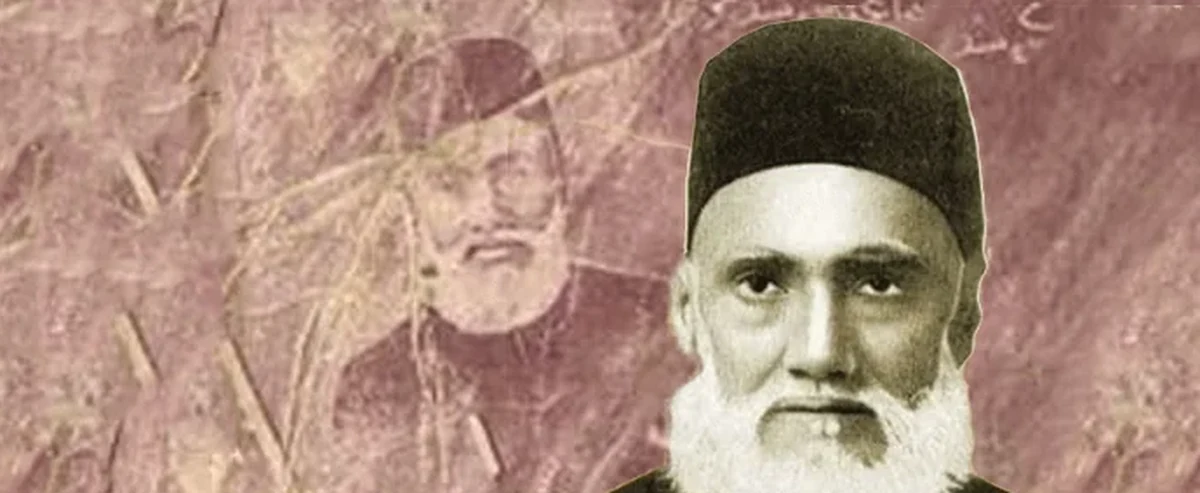
The distinction of Maulvi Ismail Mirthi in Urdu language and literature is that he did a great creative work for the education and training of adults as well as children and guiding the new generation. Perhaps you have also read one of his poems titled 'Humari Gaye', the first verse of which is:
Thank God, brother, who made our cow.
This poem by Ismail Mirthi has been part of the curriculum and even today children read it with great interest and enthusiasm. Meerthi Sahib's era is long before the partition of India. Ismail Mirthi, who wrote entertaining, informative and instructive stories and poems for children, died on November 1, 1917. During the British era, he did many academic and literary works with such sincerity and good intentions that everyone remembered him with honor and respect. He gave great importance to character development in his writings. This one aspect of Mirthi Sahib's art became so prominent that he became famous as a children's writer, while his works are noteworthy in other genres of literature as well. In this regard, Professor Gopichand Narang says that "Considering Ismail as a children's poet is a literary and historical mistake that should be corrected."
Apart from many textbooks, Ismail Mirthi also wrote academic and literary articles, poems, anecdotes and many natural stories. Persian and English derived and translated stories are also his main efforts. In his time, although Persian had a profound influence on language and literature, Maulvi Ismail Mirthi and some of his contemporaries were those who cultivated Urdu and organized the education and training of children in a simple and understandable way, keeping the language away from artificiality and complexity, and also took care of the teaching needs in this regard. Maulvi Sahib had also compiled the rule of Urdu language for the elementary classes.